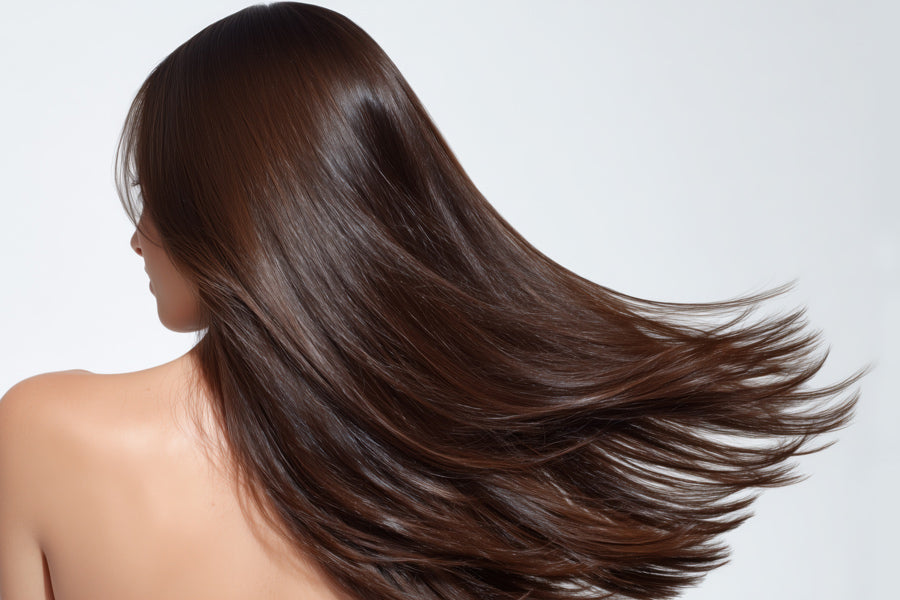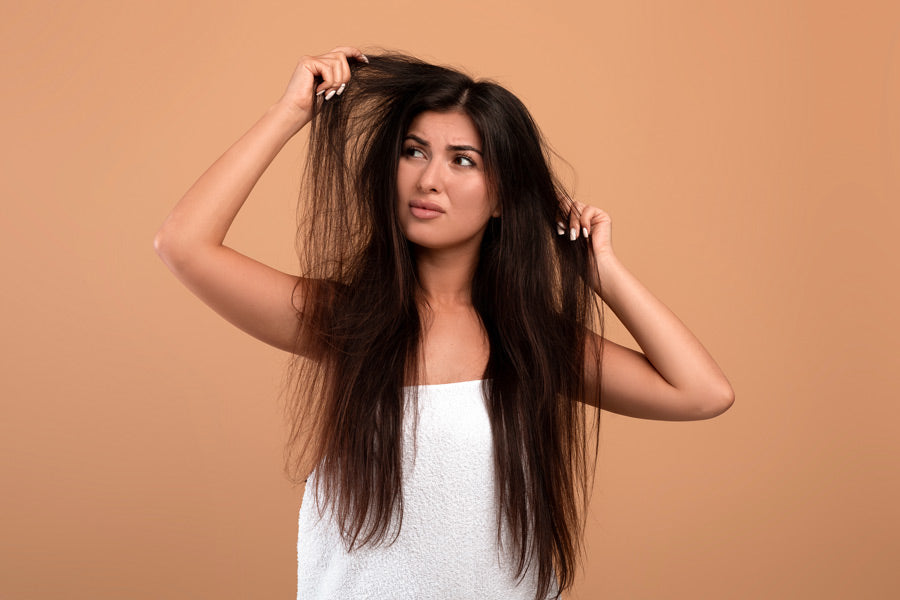
Do your lengths feel rough after waking up or exercising, and are individual strands tangled? A proper routine can often prevent extensions from matting. Gentle brushing, careful drying, and protection from friction are key. Here you will learn how to prevent matting and gently remove knots.
Why do extensions mat in the first place?
Extensions mat when friction, loose hair, and dry lengths come together. Shed hair gets caught at the attachment and can become intertwined with the strands. Wind, leaving hair loose during exercise, damp hair in bed, and rubbing while washing promote tangles. Product residue can also make the lengths difficult to comb through. With Remy human hair, the cuticles lie in the direction of growth; proper care keeps the surface smooth.
Preventing matting in extensions: step by step
1. Brushing extensions correctly
Brush in the morning and evening, and as needed in between. Divide the hair into sections, hold the bonds firmly, and start at the ends. Untangle knots with your fingers or an extension brush and work your way up. This creates less tension on the natural hair and attachments. Do not pull, and do not brush soaking wet hair.
2. Washing and caring gently
Brush through the lengths before washing and wash them upright in the shower. Distribute shampoo gently in the direction of growth without rubbing at the roots or attachments. Apply conditioner or treatment to the lengths and ends; avoid the attachments unless the method instructions state otherwise. Rinse thoroughly and squeeze the water out with a towel. The detailed extension care guide will help you with the right routine.
3. Drying thoroughly and gently
Do not rub the hair dry; instead, squeeze it in a towel. Dry the roots and attachment points completely with moderate heat and distance. Only brush carefully once the hair is partially dry. Use heat protection on the lengths before using a hairdryer, flat iron, or curling iron, and avoid direct heat on keratin bonds or tapes.
4. Reducing friction before bedtime
Never go to bed with damp extensions. Brush them carefully and put them in a loose braid or tie them in a ponytail. Tight hairstyles can pull, and loose lengths rub more against the pillow. Remove clip-ins and ponytails and store them dry.
5. Exercise, swimming, and the sauna
Tie the hair loosely together during exercise. Before swimming in chlorine or salt water, braid it as well and do not leave it loose. Afterwards, rinse with clear water, dry gently, and care for it according to the manufacturer's instructions. In the sauna, a loose ponytail protects against friction.
6. Choosing the right products
Use extension-appropriate care and apply treatments, oils, or leave-in products mainly to the lengths and ends. Avoid the attachments unless the product instructions state otherwise. Global Extend points out fruit acids in keratin bonds and avobenzone in some sun and skin care products. You can find a selection in the care products. The extension guarantee only applies under the conditions listed there.
Already matted extensions: how to proceed
Work dry, in good light, and in small sections. Hold the attachment firmly above the knot, loosen it with your fingers, and brush upwards from the ends in short, gentle strokes. Do not pull or cut into a tight mat. If the knot is at the attachment or is large, ask for help in a qualified salon.
Whether permanent or removable extensions are right for your everyday life depends on your hair and routine. Discover human hair extensions or find a suitable method with the extension finder.
FAQ: Common questions about matting in extensions
Why do extensions mat in the first place?
Matting in extensions consists of intertwined hair that is usually caused by friction, loose hair, and dry or rough lengths. Shed hair gets caught at the attachment and can become intertwined with the extensions. Common causes are sleeping with damp hair, rubbing while washing, leaving hair loose during exercise, and unsuitable products. Regular, gentle brushing and complete drying help prevent it.
How can you prevent matting in extensions?
You can prevent matting in extensions with a daily care routine: brush dry hair from the ends upwards, hold the attachments firmly, and wash without rubbing. Dry the roots and attachments completely, put the hair in a loose braid before bedtime, and tie it together during exercise or swimming. Supplement the routine with extension-appropriate care products for the lengths and ends.
How do you brush extensions correctly without damaging them?
Brushing extensions correctly means dividing the hair into sections, holding the attachment firmly, and starting at the ends. First untangle small knots with your fingers and work your way up the lengths with gentle strokes. Use a suitable brush and do not brush soaking wet hair. This reduces tension on the natural hair and attachments.
How do you wash and care for extensions so they do not mat?
It is best to wash extensions upright in the shower after carefully detangling them. Distribute shampoo gently in the direction of growth and avoid rubbing at the roots and attachments. Apply conditioner or treatment mainly to the lengths and ends. Rinse thoroughly, squeeze the water out with a towel, and dry the attachments completely. The care instructions for the respective attachment take precedence.
What should you pay attention to when sleeping with extensions?
You should only go to bed with extensions when they are dry and detangled. Damp hair rubs more easily, tangles, and can be put under more strain when brushed. Brush the lengths carefully before bedtime and put them in a loose braid or tie them in a soft ponytail. Remove clip-ins and ponytails and store them separately and dry.
What should you pay attention to during exercise, swimming, or in the sauna?
During exercise, swimming, or a sauna visit, a loose hairstyle protects the extensions from friction and tangling. Tie the hair in a ponytail before exercising or entering chlorine or salt water. Avoid swimming with your hair down if possible and rinse them with clear water afterwards. Dry the roots and attachment points carefully and also follow the care instructions for your extension method.
Which care products help prevent matting and which ones cause damage?
Extension-appropriate care products keep the lengths and ends smooth and make detangling easier. Use shampoo, conditioner, treatment, or leave-in products sparingly and according to the attachment type; rich products should not be applied directly to the attachments. Harsh or drying treatments can make the hair harder to comb through. With tapes or keratin bonds, you should avoid problematic ingredients and product contact with the adhesive areas according to the manufacturer's instructions.
What should you do if the extensions are already matted?
The gentlest way to detangle matted extensions is to work in small sections, and with your fingers before using a suitable brush. Hold the attachment firmly and untangle the knot from the ends with short, light strokes. Do not pull, cut into it, or use aggressive tools. For tightly set or large-area matting, a qualified salon can help.
Do permanent extensions mat differently than clip-ins or ponytails?
Permanent extensions such as bonds or tapes stay on the head and require special attention at the attachment points, because loose hair can collect there. Clip-ins and ponytails are removed before bedtime or exercise; loose or untidily stored pieces can also become tangled. Brushing and care instructions therefore depend on the method and product. The information from the manufacturer or salon is decisive.
How does proper care extend the lifespan of extensions?
Proper extension care can support the wearable lifespan because it reduces hair breakage, unnecessary tension, and severe dryness. Gentle brushing, gentle washing, complete drying, and heat protection keep the lengths easier to comb through. How long extensions stay beautiful and wearable also depends on hair quality, attachment type, wear time, and daily treatment. Guarantee conditions must be checked separately.
Conclusion
To prevent matting in extensions, brush from the ends upwards, wash gently, dry carefully, and reduce friction during sleep, exercise, and swimming. With proper care and early detangling, the lengths remain easier to comb through.